From "Price" to "Premium": A Dealer’s Guide to Selling High-End Hardwood
In the flooring industry, competing on price is a race to the bottom.
To win, increase project value, and create lifelong customers, shift the conversation from “how much” to visual impact, emotional connection, and long-term equity.
Today’s homeowners are more informed, more selective, and have more options than ever. They expect genuine expertise and real, lasting value. Many are already willing to invest in premium hardwood — they just need a trusted guide to show them why it’s worth it.
At Summit, we’ve spent years refining what actually works in today’s market. Here are the proven strategies that continue to deliver results in a sea of competition.
1) Listen first, pitch second.
The most effective sales conversations don’t start with product—they start with understanding.
Ask thoughtful, life-style driven questions:
Do they have kids or pets?
How often do they entertain?
What’s their timeline and realistic budget?
Then, connect their answers directly to the right solution with confident expertise.
Simply reflecting their needs back to them — paired with professional insight — builds trust and makes closing the sale feel natural. It also dramatically increases the likelihood of referrals.
Reinforce communication:
“So you’re looking for a floor that feels warm and luxurious, but also hides paw prints and stands up to your busy family — let me show you this beautiful new matte white oak. It gives you exactly that high-end look without the high-maintenance worry.”
2) Emphasize the “forever floor” Mindset
Trends and tastes move quickly, but clients often outgrow them even faster. The most enduring choices aren’t the ones that demand attention, but the ones that quietly elevate a space—creating a home that feels grounded, timeless, and genuinely lived in.
A well-designed home should evolve with you, adapting to different stages of life without constant reinvention. Flooring plays a central role in that experience. It’s the surface you engage with every day, influencing how a space feels, functions, and flows.
The right floor doesn’t just look good—it anchors the entire home.
Some homeowners think of flooring as a 10-year solution. Help them see it as a long-term investment.
The difference between a home that simply photographs well and one that truly lives well comes down to materials—those chosen not just for appearance, but for durability, adaptability, and craftsmanship.
Key talking points:
Long-term durability
Refinishability (not replacement)
Timeless, design-forward appeal
Strong resale value vs. synthetic alternatives
Reframe the investment:
“Budget floors are replaced twice in 20 years.
This floor is designed to age with your home, gaining character and value every year.”
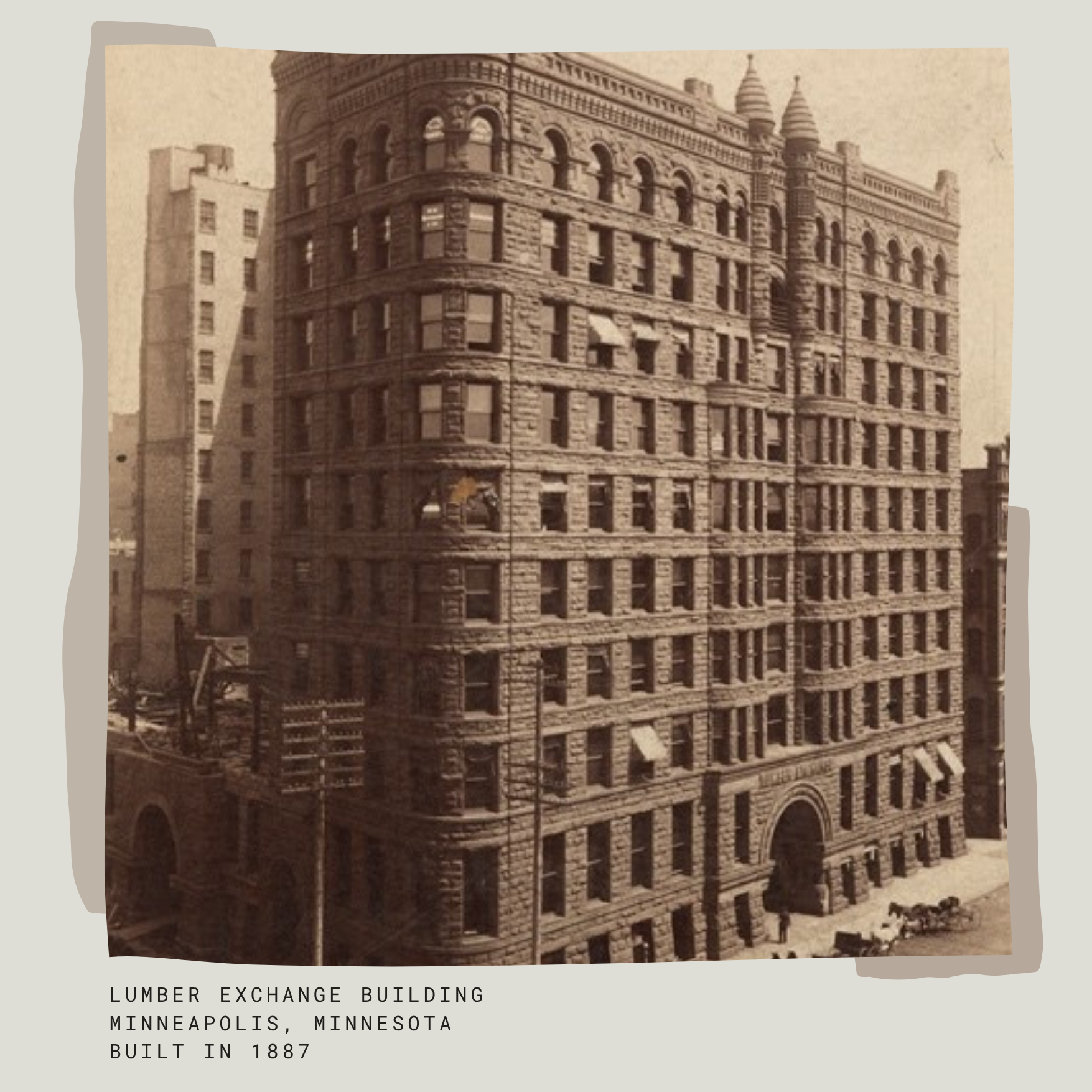
“There aren’t any floors out there that are 100, 150 years old that aren’t wood.
No other product can do that. That is one of the great and unique things about a hardwood floor; a wood-look floor cannot emulate its longevity.”
Brian Parker | NWFA
3) Lead with Lifestyle, Not Specs
Specifications matter—but they rarely create desire. Emotion does.
Homeowners don’t fall in love with a “7-inch white oak with a 4mm wear layer.”
They fall in love with how a space feels—walking barefoot across a floor that’s warm, refined, and effortlessly livable.
The role of premium flooring isn’t just performance—it’s experience.
Shift your language from technical to tangible:
“This floor gives your home a clean, open, designer feel.
The wider planks create a more expansive, elevated look—while the finish is durable enough to handle real life with kids, pets, and everyday wear.”
Why this works better:
It visualizes the outcome
Homeowners can immediately picture how their space will look and feelIt balances beauty with function
You’re addressing both aspiration and practicalityIt builds confidence without overwhelm
Clear, relevant benefits—no unnecessary jargonIt positions you as an expert
You’re guiding a decision, not reciting specs
The goal isn’t to remove technical details—it’s to introduce them at the right moment.
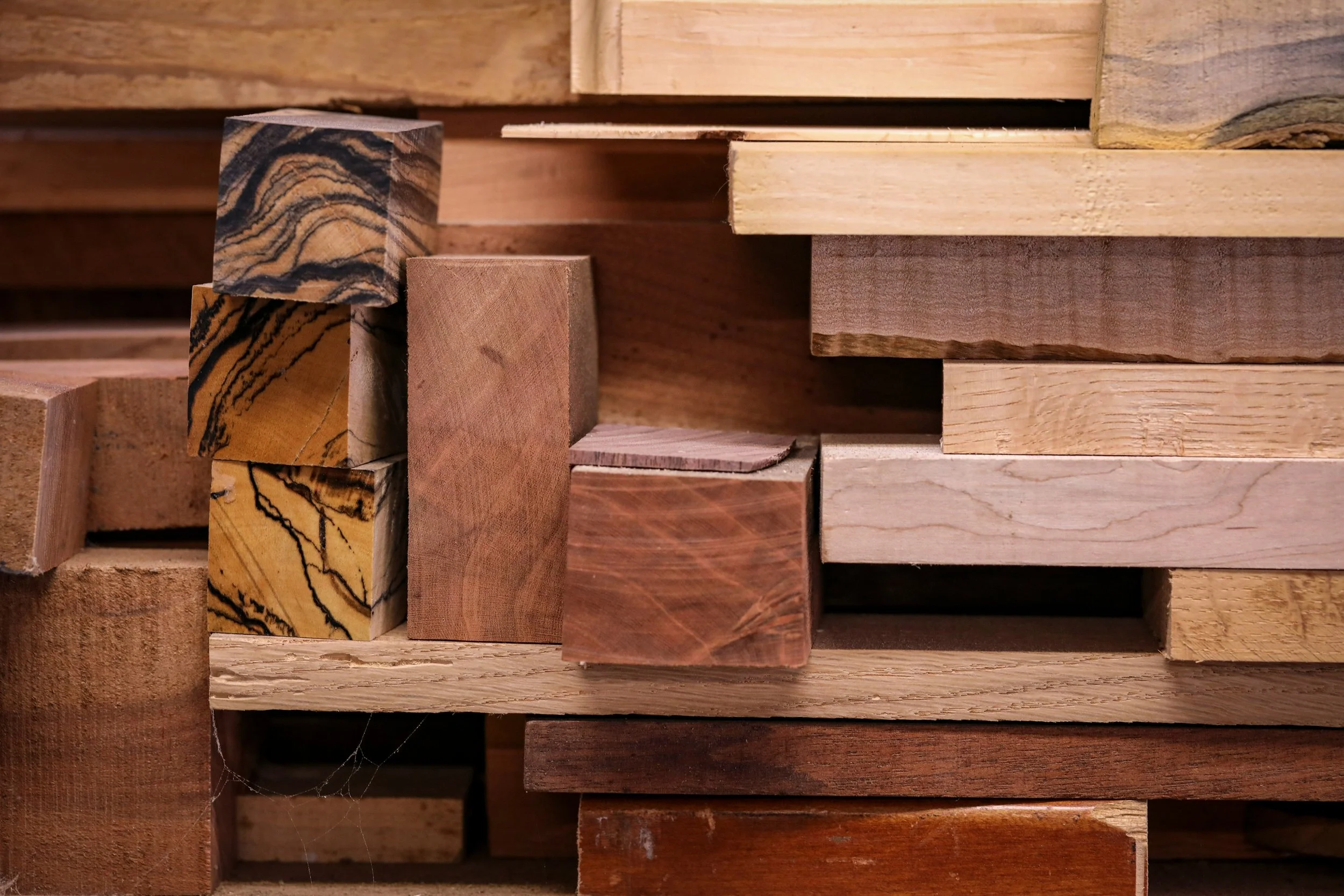
“Real wood floors just feel different. It connects us with nature. People love to touch real wood, and it helps create a calming environment. The natural characteristics where every piece is uniquely beautiful will never be matched from lookalike wood options.”
Jessica Hickman Fresch | NWFA
4) Curate the "Good, Better, Best" Experience
Today’s homeowners and designers are flooded with options. When you show them 30 flooring samples at once, you don’t empower them — you paralyze them.
As a trusted flooring partner, your job is to act as the expert editor, not just a supplier. The most effective way to guide clients toward confident, high-value decisions is with a tightly curated Good, Better, Best presentation. Buyers expect you to be the expert. Don’t just show the premium option, explain WHY it’s worth the investment.
If you want to create more value, answer the questions buyers don’t think to ask:
Does anyone in your home have chemical sensitivities or allergies?
Is the subfloor level?
What is the subfloor made of?
Is the subfloor damp or dry?
Do you have radiant heat?
Does the area have heavy, direct sunlight? How many windows?
What might be missing from the client’s budget calculations: demo and disposal of current floor, transitions, vents, underlayment, etc.
Then, highlight the tangible differences that a cheaper option simply can’t beat. What you don’t know has great power over you. Become a student of your profession. Take the attitude of a beginner and realize there is always more to learn about the brands, products, and the advantages.
Cleaner grading with far fewer defects and character marks
Tighter, more precise milling for easier installation and better finished results
Sophisticated, multi-layered stain palettes that deliver depth, richness, and consistency
Superior core construction and finish technology for better wear resistance and longevity
When the advantages are clearly articulated, clients don’t just see the difference, they understand and feel the value.

“This value proposition of wood flooring often gets lost or overlooked when focusing solely on new floors or floor replacement. It can be a much stronger selling point to avoid flooring material being torn out and thrown into landfills.”
Kirk Roberts | Bona AB